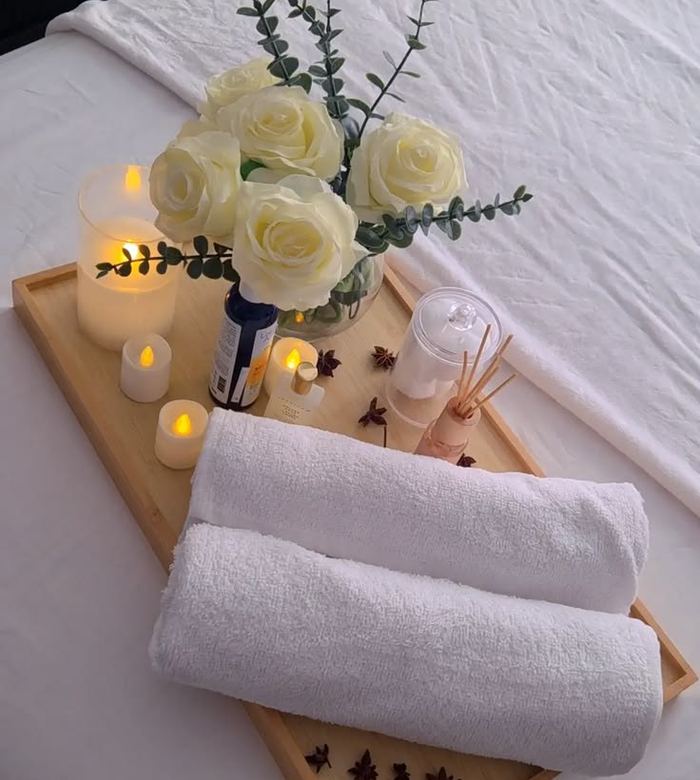
Search "massage near me" in Nairobi and you'll get dozens of results, from hotel spas in Westlands to small studios tucked into Kilimani apartment blocks. Ratings help, but they don't tell you everything. Here's how to tell a good spa from a disappointing one before you spend your money.
7 signs of a good massage spa
1. Prices are clear before you arrive
A professional spa lists its treatments, durations and prices, on its website or when you ask on WhatsApp. If you can't get a straight answer about cost, expect surprises at the end.
2. They ask questions before booking
Good therapists want to know what you're after. Relaxation? A stiff neck? Recovery after a run? The treatment should fit the answer.
3. The space is visibly clean
Look for fresh linen on the table, clean towels, a tidy room and a therapist who washes their hands. This is the most basic standard, and the one most often missed. If the sheets look used, leave.
4. The session starts with a conversation
Before you undress, your therapist should ask about injuries, medical conditions and the pressure you like. Skipping this step is a sign they run the same routine on everyone.
5. You stay properly covered
You undress in private to your comfort level and stay under a towel. Only the area being worked on is uncovered. That's standard professional practice.
6. They check in without chatting all session
A quick "how's the pressure?" early on is good. A therapist who talks through your whole massage isn't letting you relax.
7. You get the full time you paid for
A 60-minute massage should mean close to 60 minutes of hands-on time, not 40 minutes plus a long changeover.
Red flags to walk away from
- No prices listed, or prices that change when you arrive
- Stained or reused linen
- No questions about your health or preferences
- Pressure to buy add-ons you didn't ask for
- Anything that feels unprofessional. A legitimate massage spa offers therapeutic massage only.
What happens at your first massage
Before: Arrive about ten minutes early. Use the bathroom, drink some water, and switch your phone to silent.
The consultation: Your therapist asks where you carry tension, about any injuries or conditions, and what pressure you prefer. If you're not sure, say so. Medium pressure is a safe start.
Getting ready: You're shown to a private room and left alone to undress and lie under the towel, usually face down.
The massage: Your therapist knocks before coming back in. Breathe slowly and let your muscles go heavy. If anything is uncomfortable (pressure, room temperature, music), say it. Good therapists adjust instantly.
After: Take a minute before sitting up. Drink water and take it easy for the rest of the day. It's normal to feel relaxed, a little sleepy, or slightly tender after firmer work.
Which massage should you book first?
- Want everything covered? A full body massage.
- Want to relax? A 60-minute Swedish massage.
- Stubborn knots or back pain? Deep tissue.
- Short on time? A 30-minute back, neck and shoulder massage.
Still deciding? Our guide to Swedish vs deep tissue massage explains the difference.
Massage in Kilimani
Kilimani is central for most of Nairobi's west side, within easy reach of Kileleshwa, Lavington, Hurlingham, Upper Hill and Westlands. At Gentlemans Massage Spa we're open every day, with clear prices and fresh linen for every client. Book a session when you're ready.
Frequently asked questions
Should I tip my massage therapist in Nairobi?
Tipping isn't required, but it's appreciated if you're happy with your massage. Around 10% is common.
How often should I get a massage?
For general relaxation, once a month works well. For chronic tension or during heavy training, every one to two weeks is more effective.
Can I talk during my massage?
Yes, but you don't have to. Speak up about pressure or comfort at any time. Otherwise, silence is completely normal.